Patina
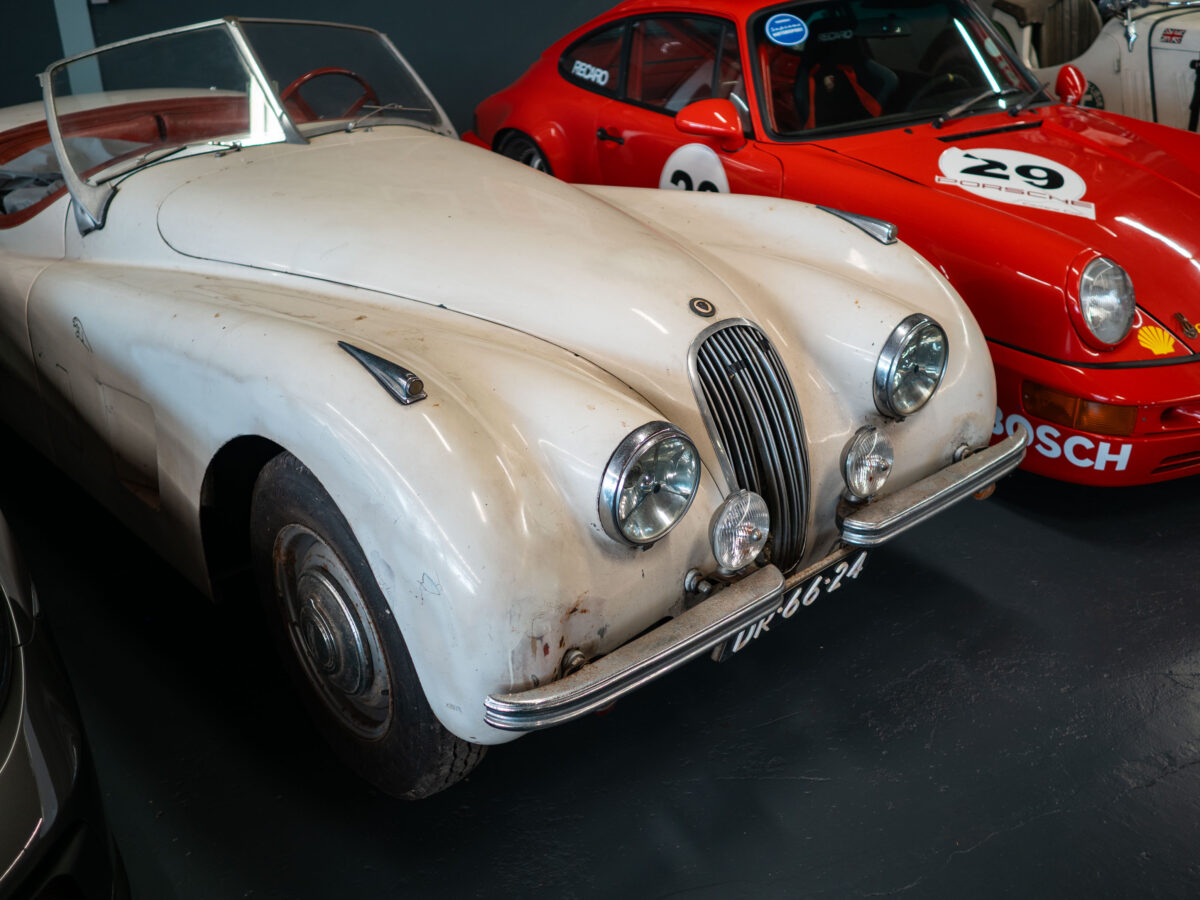
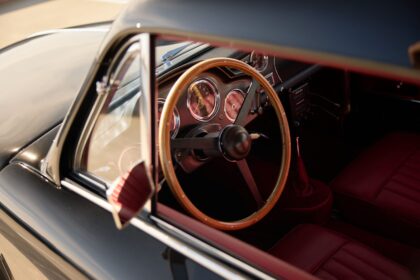
Patina refers to the visible signs of age, use, and aging that have developed on a classic car over time. Examples include slight discoloration of the paint, minor signs of wear, craquelure, wear and tear on the interior, or the natural aging of metals and other materials. On an original car, this patina can be an important part of the car’s character and history. FIVA defines patina as visible, unrepaired signs of age and use.
A car with patina is not the same as a car that has been poorly maintained. For example, an original paint job with signs of use can actually be very valuable, whereas severe rust or damage must be addressed technically. During a restoration, therefore, the focus is always on striking the right balance between preservation and repair.
For a valuable classic car, preserving the original paint, upholstery, and other parts may be more important than fully restoring the car to like-new condition. Patina can thus be an important part of a classic car’s authenticity and character.