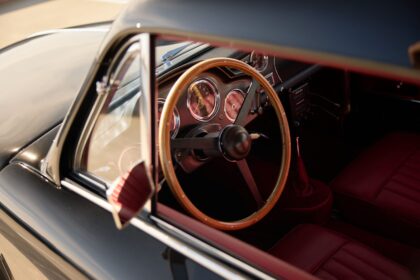
How to Build a Classic Car Collection
A great collection does not begin with the question of which car to buy, but why you want to collect.
The first classic car is rarely just a purchase. Perhaps it is a car you dreamed of as a child, a model that has always fascinated you, or simply a car that made you think the moment you saw it: I have to have it.
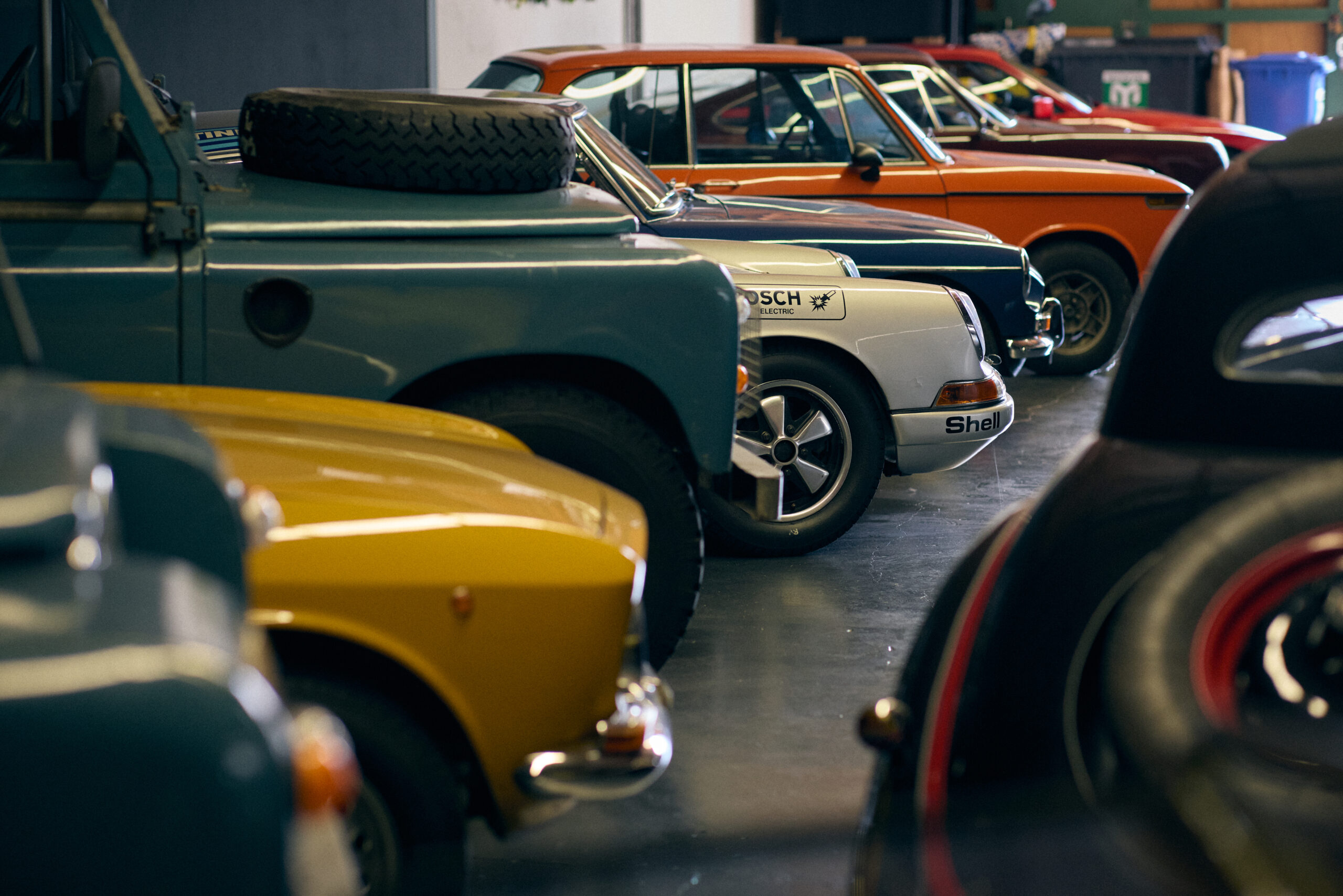
And then something happens that many collectors will recognise. One car becomes two. Two become three. Before long, a collection begins to take shape.
That is the moment when it becomes interesting to look beyond the individual cars. What kind of collection do you actually want to build? What makes the cars special together? And how do you ensure that the collection becomes not simply larger, but better?
At Heritage Cars, we help collectors with exactly these questions every day.
Start with a Vision
A collection does not have to be large to be exceptional. A carefully selected group of three cars can have far more character than a garage filled with twenty unrelated automobiles.
Some collectors are drawn to a particular marque or era. Others collect cars with significant racing history, distinctive coachwork or a shared technical character. Others choose cars that evoke memories of their youth.
There is no right or wrong reason to collect. What matters most is understanding what you personally find interesting.
A clear vision also helps when considering future acquisitions. When an interesting car comes along, you can ask yourself: does this genuinely add something to my collection, or is it simply tempting because it is available?
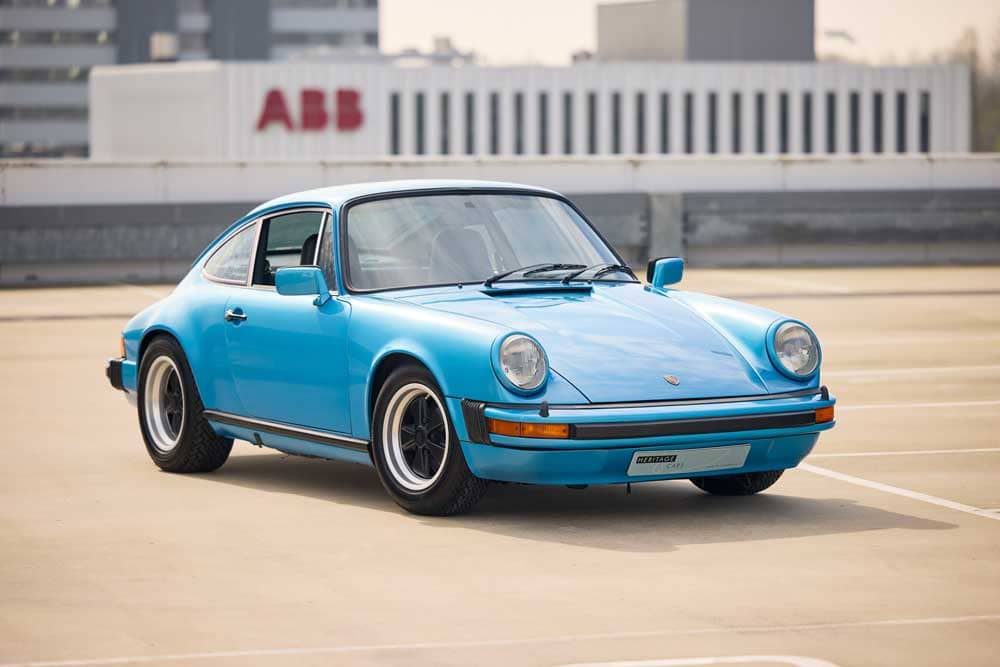
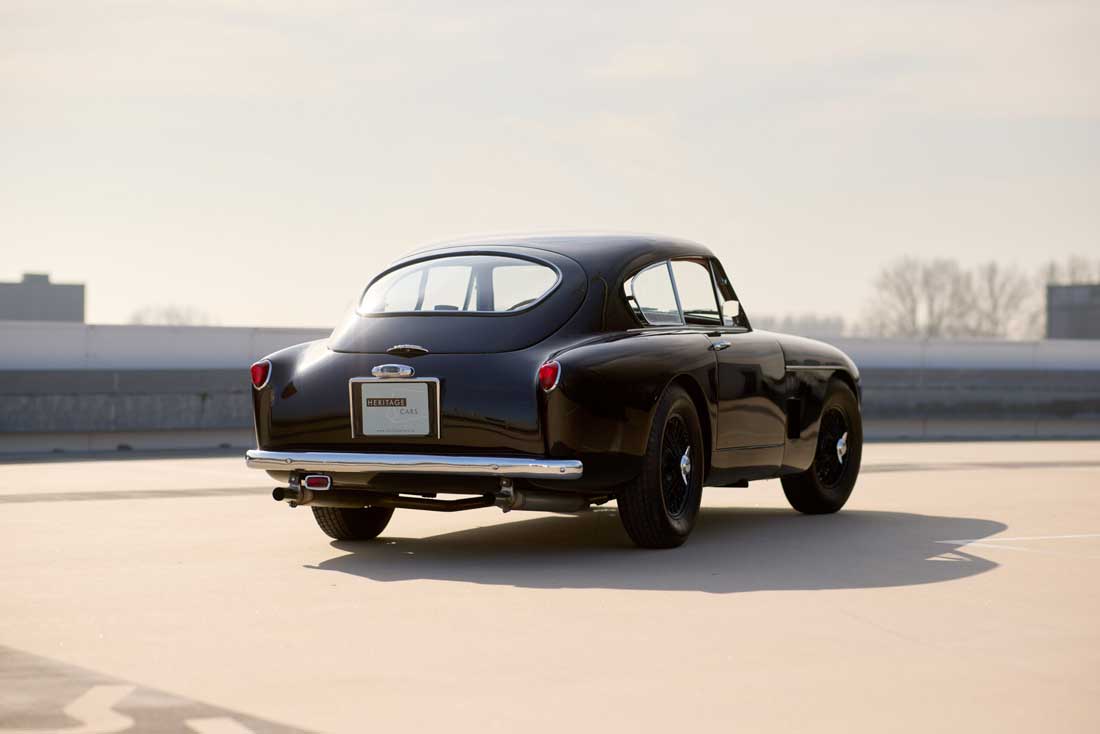
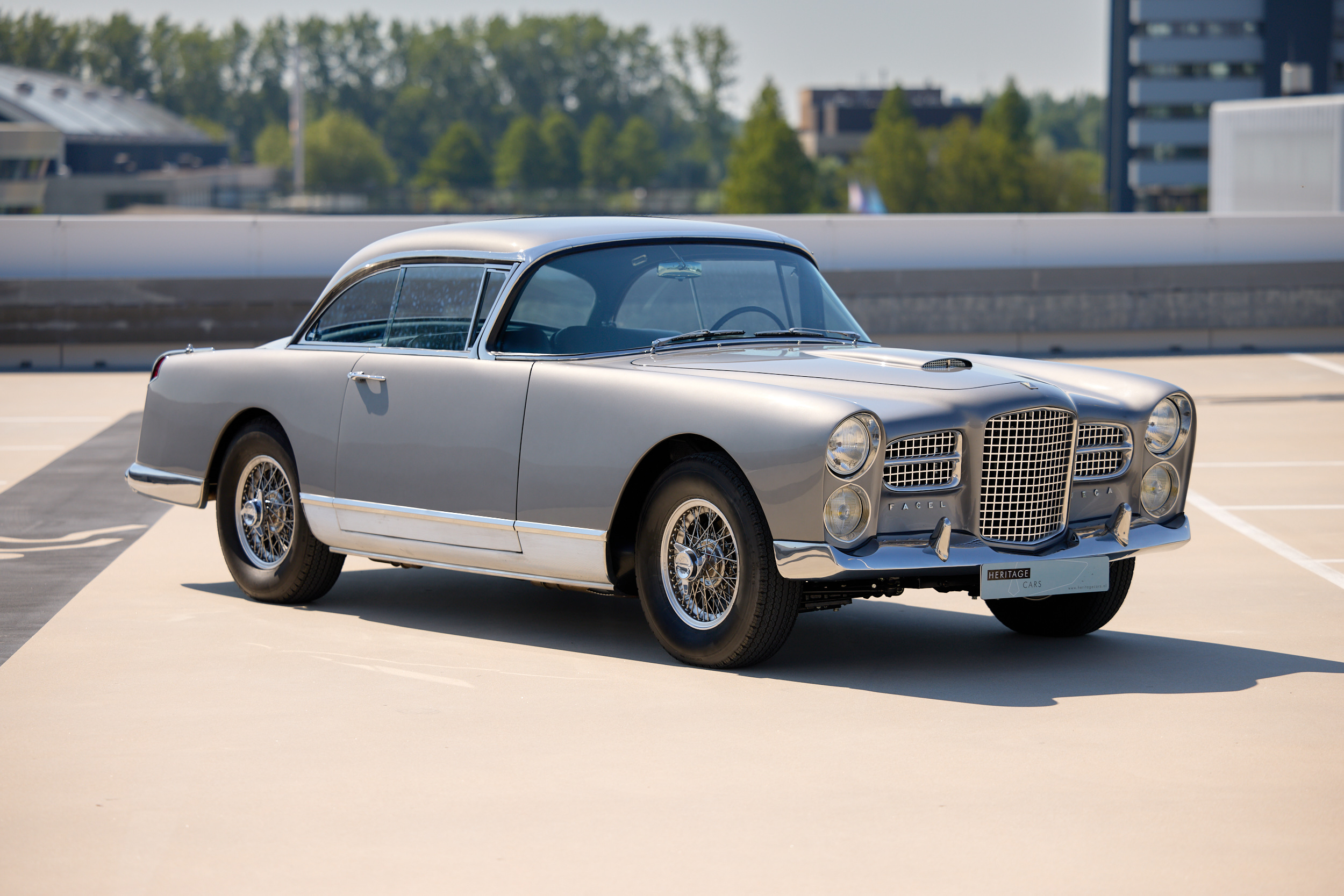
Build Quality, Not Just Quantity
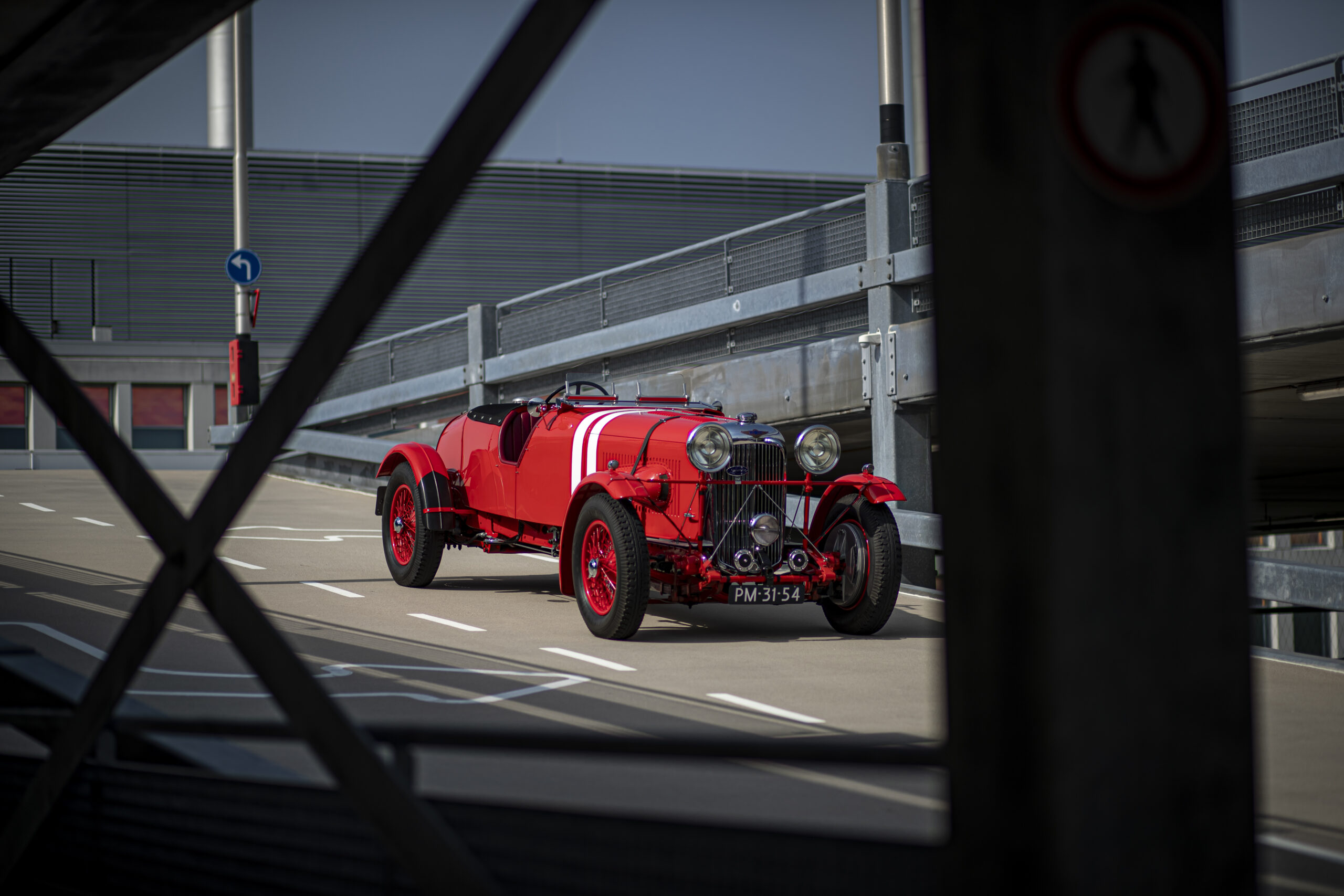
A collection becomes stronger when every car has a reason to be part of it.
That does not mean every car needs to be rare or exceptionally valuable. It does mean paying attention to factors such as originality, condition, history, provenance and technical quality. Even within the same model, the differences can be significant. A well-documented, original and carefully maintained example can be considerably more desirable than an otherwise identical car that has been extensively restored or modified.
Do not simply buy the best car you can afford at that moment. Buy the car that best fits your collection.
Buy the Car, Not the Bargain
With classic cars, perhaps more than with modern cars, a low purchase price can ultimately prove expensive.
An attractive asking price can quickly disappear once it becomes apparent that the car requires significant mechanical work, has an incomplete history or is missing important components.
Take the time to research every acquisition thoroughly. Examine the bodywork and mechanical components, verify chassis and engine numbers, study the documentation and establish what work has been carried out in the past.
An independent pre-purchase inspection can be an invaluable investment, particularly when dealing with cars with complex histories or significant purchase prices.
And perhaps the most important piece of advice: be prepared to walk away.
A car that passes you by today is not necessarily a missed opportunity. The right car often appears when you are prepared to wait for it.
History Is Part of the Car
With a classic car, the story is just as important as the engineering.
Keep everything that belongs with the car. Old photographs, invoices, maintenance records, restoration documentation, registration papers, manuals, brochures and correspondence can all become significant over time.
Documentation relating to originality and modifications is equally important. Which engine is fitted? Are the body and chassis original? Have components been replaced? Is the car matching numbers? And what work has been carried out throughout its life?
A well-documented car inspires confidence. That confidence matters when the car is valued, insured or eventually offered for sale.
Look Beyond the Purchase Price
Buying the car is only the beginning.
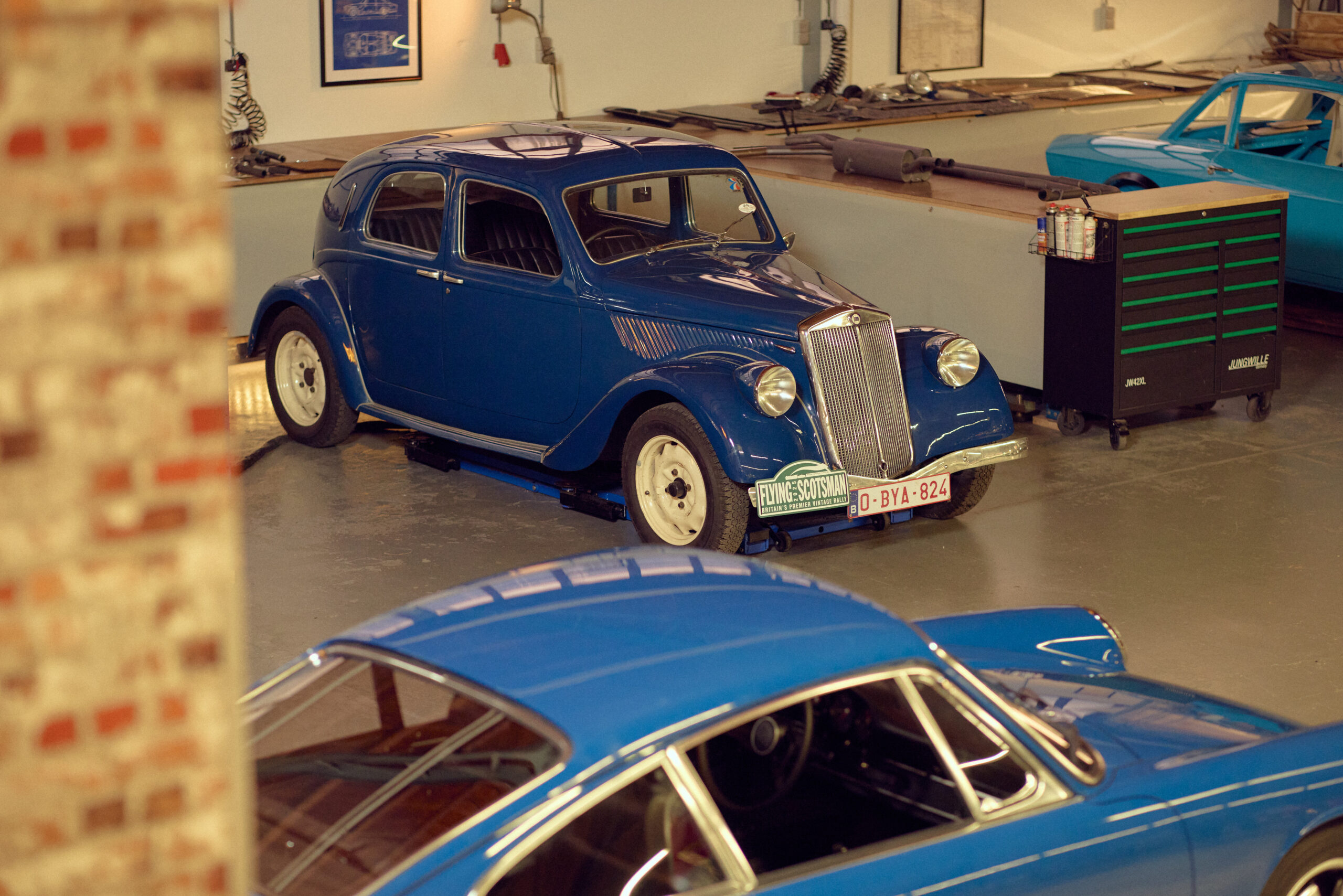
A classic car collection also brings ongoing costs and responsibilities: maintenance, restoration, insurance, storage, transportation and participation in events.
It is therefore important to have a realistic understanding of what a collection requires each year. Not only financially, but practically.
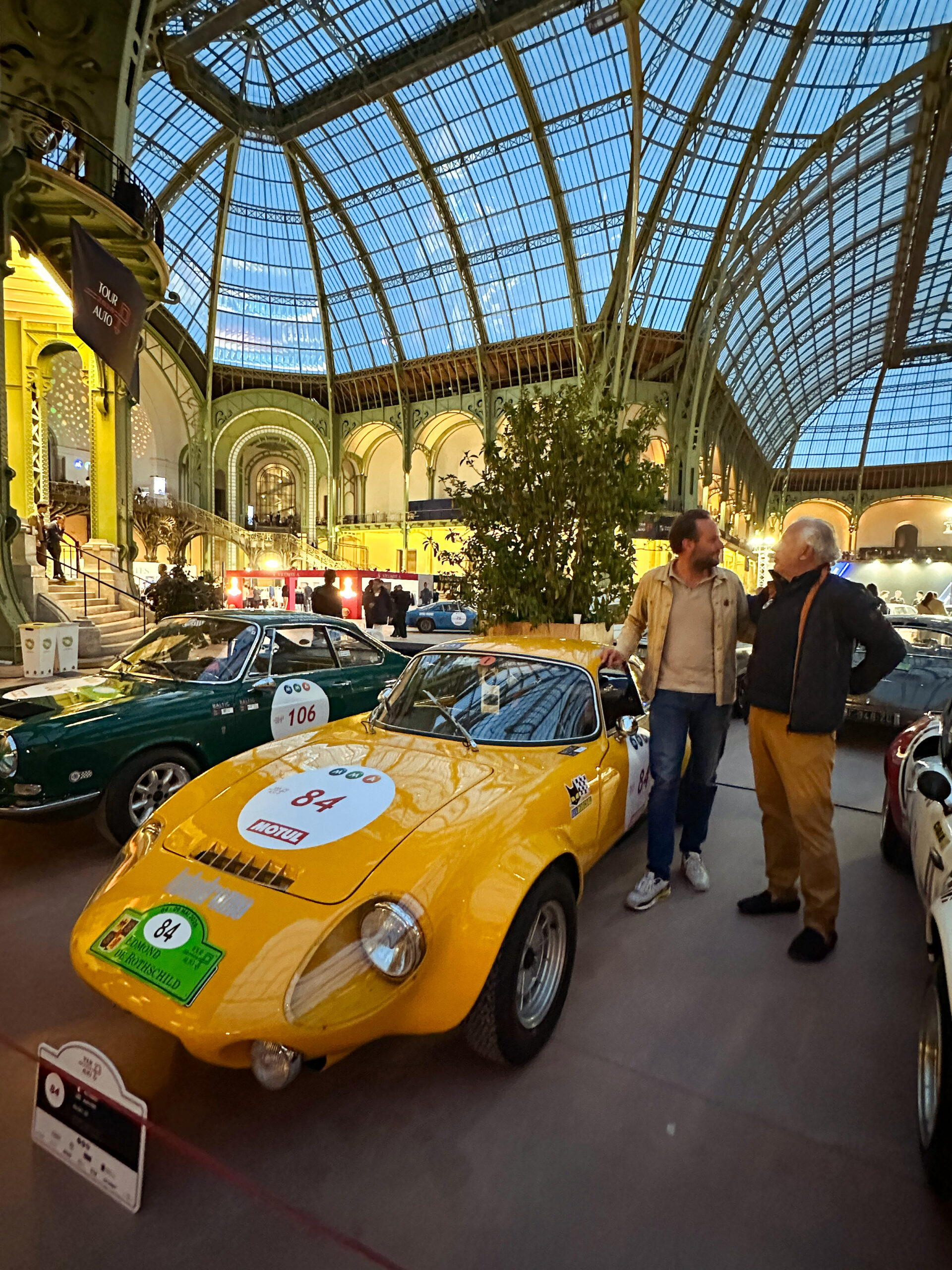
A car requiring regular mechanical attention demands something very different from a fully restored, concours-ready example. And a pre-war sports car regularly taking part in rallies requires a different approach again from a car primarily displayed at concours events.
The best collection is one that fits your life.
Time May Be Your Most Valuable Investment
Collecting classic cars does not only require money. It also requires time.
Cars need to be maintained, insurance and documentation need to be kept up to date, appointments with specialists need to be arranged, and cars sometimes need to be transported or prepared for an event.
And then there is the driving.
As a collection grows, it can therefore make sense to delegate certain responsibilities. A specialist partner can coordinate maintenance, keep the cars road-ready, manage documentation and make sure that important matters do not get lost among everyday commitments.
That is an important part of effective collection management: making sure the collection works for you, rather than the other way around.
Surround Yourself with the Right People
No one can know everything about every classic car.
That is why good relationships matter. An experienced mechanic, restorer, coachbuilder, valuer, marque specialist or dealer can provide knowledge that no individual can realistically possess in full.
Connections with fellow collectors are equally valuable. Clubs, events, rallies and concours gatherings often lead to relationships that go far beyond a shared passion. Experiences are exchanged, parts are found and, sometimes, the right car becomes available through a personal connection after years of searching.
The classic-car world is built to a large extent on knowledge and trust.
Consider Value, But Do Not Collect for Value Alone
Classic cars can be interesting assets, and some have appreciated significantly over the years. But no one can predict with certainty which cars will increase in value tomorrow.
Rarity matters, but it is only part of the equation. History, provenance, originality, quality, specification, coachwork and the enduring appeal of a particular model all influence a car’s position in the market.
Collectors who buy solely because they expect a car to appreciate risk losing sight of the most important part of the experience.
A great collection should first and foremost bring enjoyment.
And Then: Drive
Perhaps the most important advice of all.
Drive the cars.
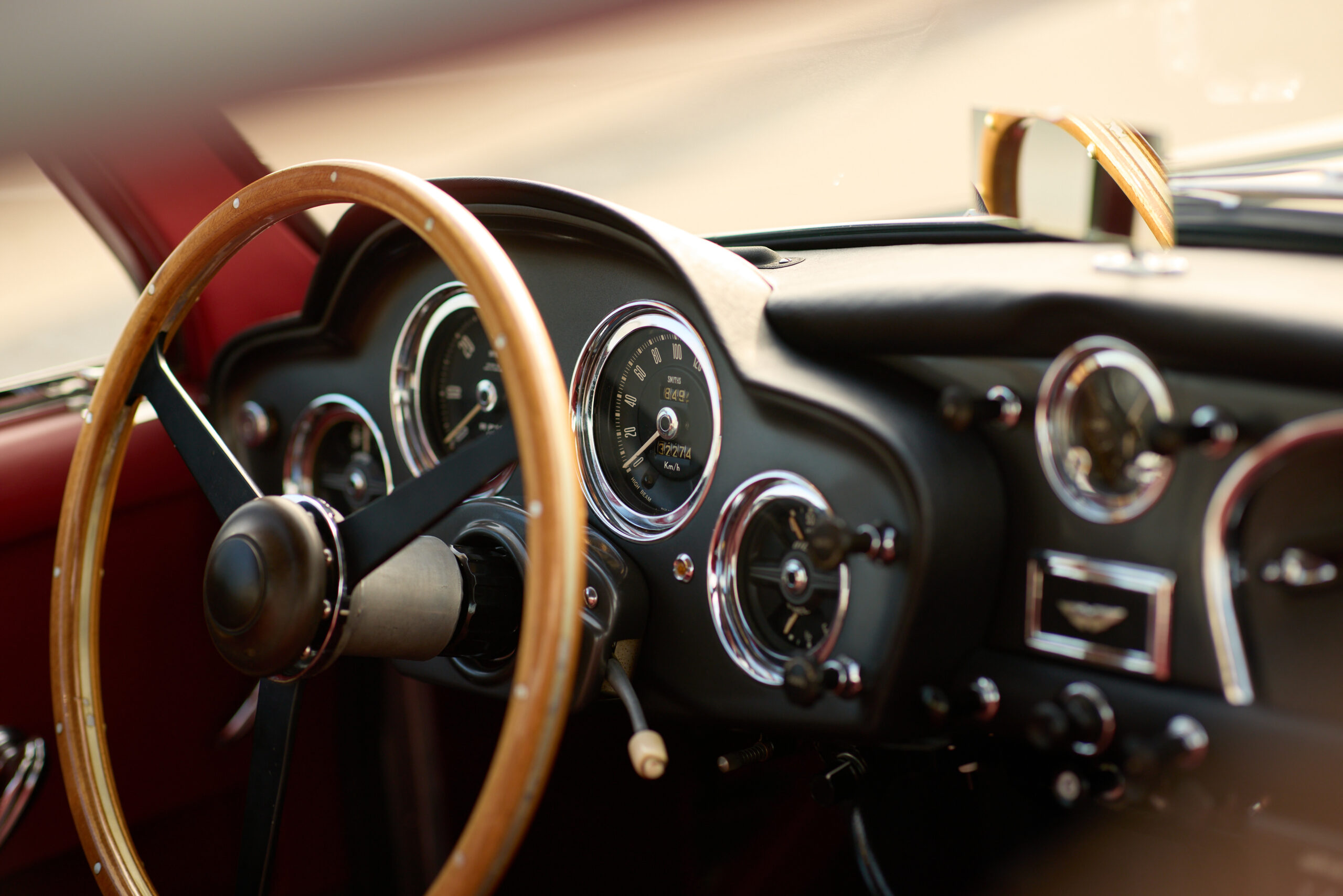
A classic car that spends years beneath a cover in a climate-controlled garage may look wonderful, but cars were made to be driven. You only truly discover a car’s character when you are behind the wheel.
Take a tour. Enter a rally. Visit a concours. Go to a Cars & Coffee. Drive to an event abroad. Or simply take the keys on a Sunday morning and set off without a destination.
A car does not always have to be perfectly polished to be enjoyed.
It is the use of a car that brings a collection to life.
The Right Collection Evolves Naturally
Building a collection is not a race. It is not about the number of cars in the garage, but about their quality, the relationship between them and, above all, the enjoyment they provide.
Sometimes that means adding a car. Sometimes it means letting one go because it no longer fits the collection.
It is worth regularly looking at the collection as a whole. Does the story still make sense? Are the cars mechanically sound? Are they actually being used? Would any of them be better appreciated by another owner? And is there room for a new acquisition that could genuinely take the collection to another level?
A great collection is never completely finished.
Perhaps that is one of the most beautiful things about collecting.
Heritage Cars
At Heritage Cars, we help collectors build, manage and develop their collections. From finding an exceptional automobile and assessing its history and quality to restoration, maintenance, value preservation and sale.
With our knowledge of the international market and our network of specialists and collectors, we look beyond the car itself and consider the role it can play within your collection.
Because the finest collection is not the largest collection. It is the collection that simply makes sense.
Please feel free to get in touch with Geert and find out what we can do for your car collection.
Geert Kistemaker
+31 6 24276296
geert@heritagecars.nl